October 1, 2026
Understanding the integration of electrical inspections within a professional air conditioning service repair routine is crucial for the safety, efficiency, and overall longevity of modern HVAC systems. Air conditioners, like all complex electromechanical systems, have become increasingly reliant on intricate electrical components for daily operation. With their operational complexity on the rise, ensuring the electrical aspects of these units function correctly is critical. This article will delve into why electrical checks are an integral part of an effective air conditioning service repair. Our detailed exploration covers the basics of air conditioning systems, the importance of electrical inspections, critical components, common problems, best practices, and future prospects for home comfort maintenance.
The Basics of Air Conditioning Systems
Understanding HVAC Components
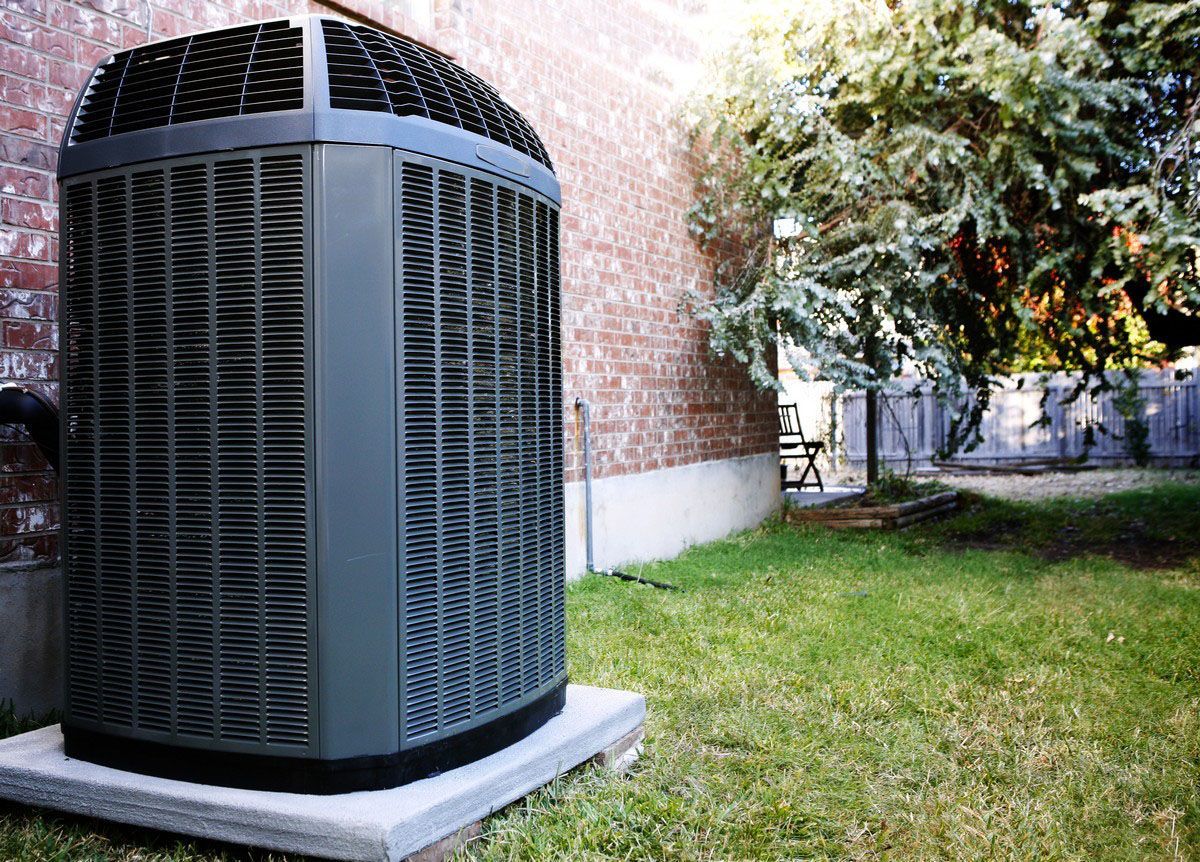
Air conditioning systems consist of a variety of components that work together to cool and circulate air. These systems typically include an evaporator, condenser, compressor, and expansion valve, which are essential for the refrigeration cycle. The evaporator coils absorb heat from indoor air, while the condenser releases that heat outside. The compressor circulates refrigerant between indoor and outdoor units, completing the cycle. Understanding these mechanical components is crucial when performing a comprehensive air conditioning service repair for any residential or commercial unit.
Common Electrical Components in AC Units
Several electrical components are integral to the operation of cooling units, including capacitors, relays, and circuit boards. Capacitors store and release electrical energy, providing the necessary start-up voltage to compressors and fan motors. Relays act as switches, enabling control signals to manage various system functions. Circuit boards house microprocessors that execute command inputs to keep units running seamlessly. Each of these parts requires close attention during an air conditioning service repair to confirm they function both optimally and safely.
Electrical Codes and Standards
Air conditioning systems must adhere to established local electrical codes and national standards to ensure safe and efficient operation. These regulations specify everything from wiring practices to grounding requirements necessary to prevent electrical failures and fire hazards. Code compliance ensures that HVAC equipment integrates seamlessly into building infrastructures without posing risks to inhabitants. Routine inspections during an air conditioning service repair provide a clear opportunity to verify compliance with these codes, mitigating the likelihood of electrical misfires and preserving home safety.
The Interconnection of Mechanical and Electrical Components
The seamless interaction between mechanical and electrical components in cooling systems is crucial for efficient operation. Mechanical components such as blower fans, belts, and compressors rely directly on steady electrical inputs to function correctly. Conversely, the operation of sensitive control boards often hinges on the proper physical functioning of the mechanical parts they govern. Disruptions in either domain can lead to system-wide failures, emphasizing the necessity of an integrated air conditioning service repair routine that addresses both mechanical and electrical sides simultaneously.
Importance of Electrical Inspections in AC Repair
Preventing Electrical Failures
Regular electrical inspections are vital for staving off common electrical failures that can completely disable cooling units. Thorough checks identify worn components, loose terminal connections, and potential areas of overheating before they escalate into severe breakdowns. By catching these issues early during an air conditioning service repair, technicians can prevent unexpected system downtime and expensive emergency restoration costs. According to ENERGY STAR's current 2026 maintenance checklist, an annual HVAC checkup should include tightening electrical connections and measuring both voltage and current on system motors, because faulty connections can create unsafe operation and shorten component life.
Ensuring Safety and Preventing Hazards
Safety is a paramount concern in the maintenance of cooling systems because they operate at high electrical voltages. Faulty wiring, degraded insulation, or compromised electrical components can easily create fire hazards or pose risks of electric shocks. Scheduling a professional air conditioning service repair provides an opportunity to rectify such dangerous defects before they can cause physical harm. Thorough checks of wiring insulation, grounding systems, and line connections help protect both the service personnel and the occupants of the building.
Extending the Lifespan of the Equipment
Detailed electrical inspections play a crucial role in extending the total lifespan of air conditioning equipment. Properly maintained electrical components endure significantly less wear and tear over time, reducing the likelihood of premature motor or compressor failure. Certified technicians can detect subtle signs of degradation early, enabling timely component replacement. Including thorough electrical checks as part of your standard air conditioning service repair avoids the strain caused by malfunctioning power supply lines, ultimately saving money and protecting your investment.
Improving Energy Efficiency
Comprehensive electrical inspections significantly contribute to the overall energy efficiency of cooling systems. By ensuring optimal electrical conductivity and correct voltage draws, these checks facilitate smooth operation that reduces power wastage. Faulty electrical components force the compressor and fan motors to work harder, leading to increased power consumption and spiking utility bills. A complete air conditioning service repair optimizes energy consumption, keeps operational costs manageable, and enhances overall environmental sustainability.
Detecting Hidden Electrical Issues
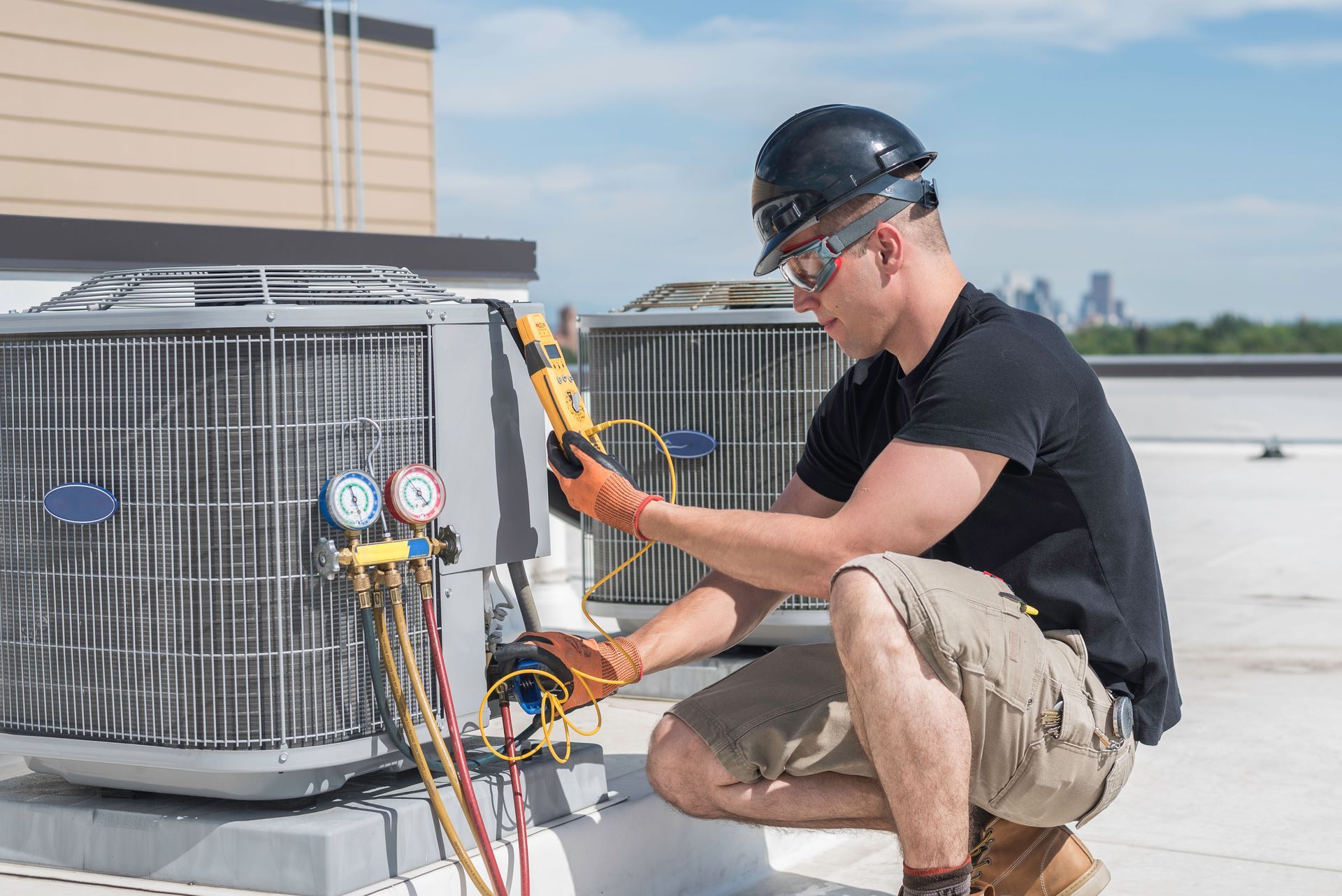
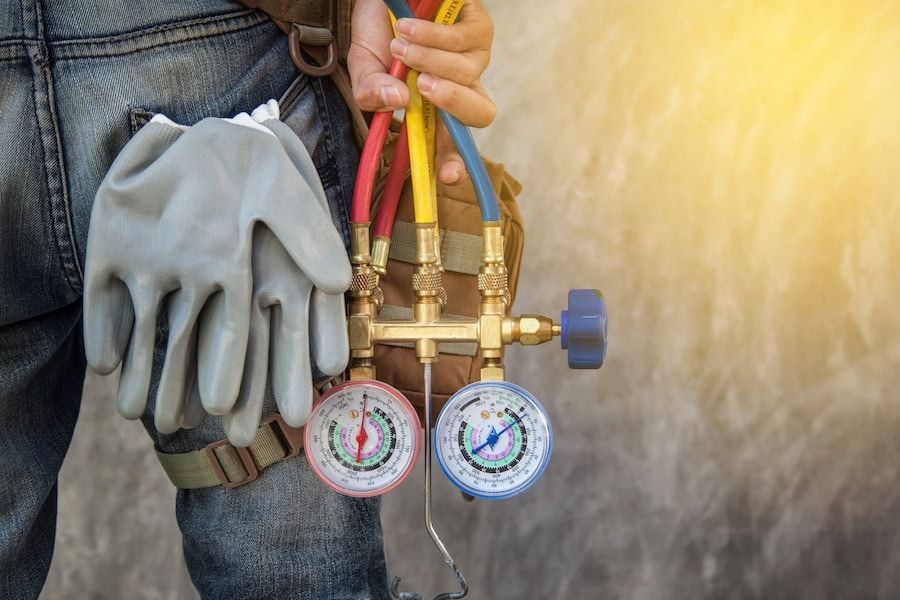
Thorough electrical diagnostic checks can reveal hidden issues that might otherwise go unnoticed during standard filter or coil cleanings. Often, underlying problems affecting hidden wires, internal connectors, or solid-state control boards slowly degrade system function over time. Incorporating advanced diagnostic tools into an air conditioning service repair allows technicians to pinpoint thermal anomalies and electrical weak points. Addressing these hidden issues early ensures prolonged equipment reliability and prevents sudden, catastrophic system shutdowns.
Components That Require Regular Electrical Inspections
Capacitors and Their Importance
Capacitors are vital components in cooling units, responsible for storing power and providing the necessary torque to start and run heavy-duty motors. Over time, these capacitors can lose their charge capacity due to heat and wear, leading to inefficient motor start-ups or total system failure. Regular testing of capacitors during an air conditioning service repair uncovers early signs of bulging, oil leakage, or microfarad drops. Replacing weak capacitors promptly prevents costlier damage to compressors and blower motors down the road.
The Function and Maintenance of Relays
Relays play a crucial role in controlling the flow of high-voltage electricity in cooling units, acting as automated switches for compressors and outdoor fans. These devices can pit, scorch, or become jammed over time due to high electrical current or mechanical strain. Inspecting and cleaning relay contacts during a scheduled air conditioning service repair ensures the consistent, smooth operation of the entire system. Timely replacement of faulty relays prevents unexpected electrical arc damage and system lockouts.
Inspecting Circuit Breakers and Fuses
Circuit breakers and fuses are primary safety devices that protect air conditioning systems from dangerous current overloads and short circuits. Over time, these components can degrade, experience thermal fatigue, or fail to trip when necessary, posing potential safety hazards. Inspecting these protective components during an air conditioning service repair helps identify signs of terminal discoloration, pitting, or physical wear. Keeping circuit breakers and fuses in peak condition ensures that the system remains safe from sudden power surges.
Motors and Electrical Wiring Checks
The fan and compressor motors within cooling systems rely heavily on proper electrical wiring to function efficiently and maintain correct speeds. Wiring failures or corroded contacts disrupt power delivery, leading to motor overheating or total failure. Technicians performing an air conditioning service repair carefully scrutinize wiring integrity, looking for frayed insulation, burnt leads, or loose terminals. Consistent monitoring and measuring of motor amperage draw ensure continued performance and long-term operating reliability.
Electrical inspections play an irreplaceable role in maintaining the safety, efficiency, and operational lifespan of modern cooling systems. As climate control equipment grows increasingly sophisticated, verifying the condition of capacitors, wiring, and control boards becomes vital for overall system reliability. Incorporating detailed electrical testing into every routine air conditioning service repair prevents unexpected breakdowns, lowers energy consumption, and eliminates dangerous fire and shock hazards in the home. By utilizing modern diagnostic tools, following strict safety protocols, and relying on certified professionals, homeowners can ensure their cooling systems remain efficient, dependable, and safe for many years to come. Call L & J Heating & Cooling today to learn more.